
Planning a commercial video in Erbil? Learn how to prepare a brief, choose the right format, organize filming and plan professional production.
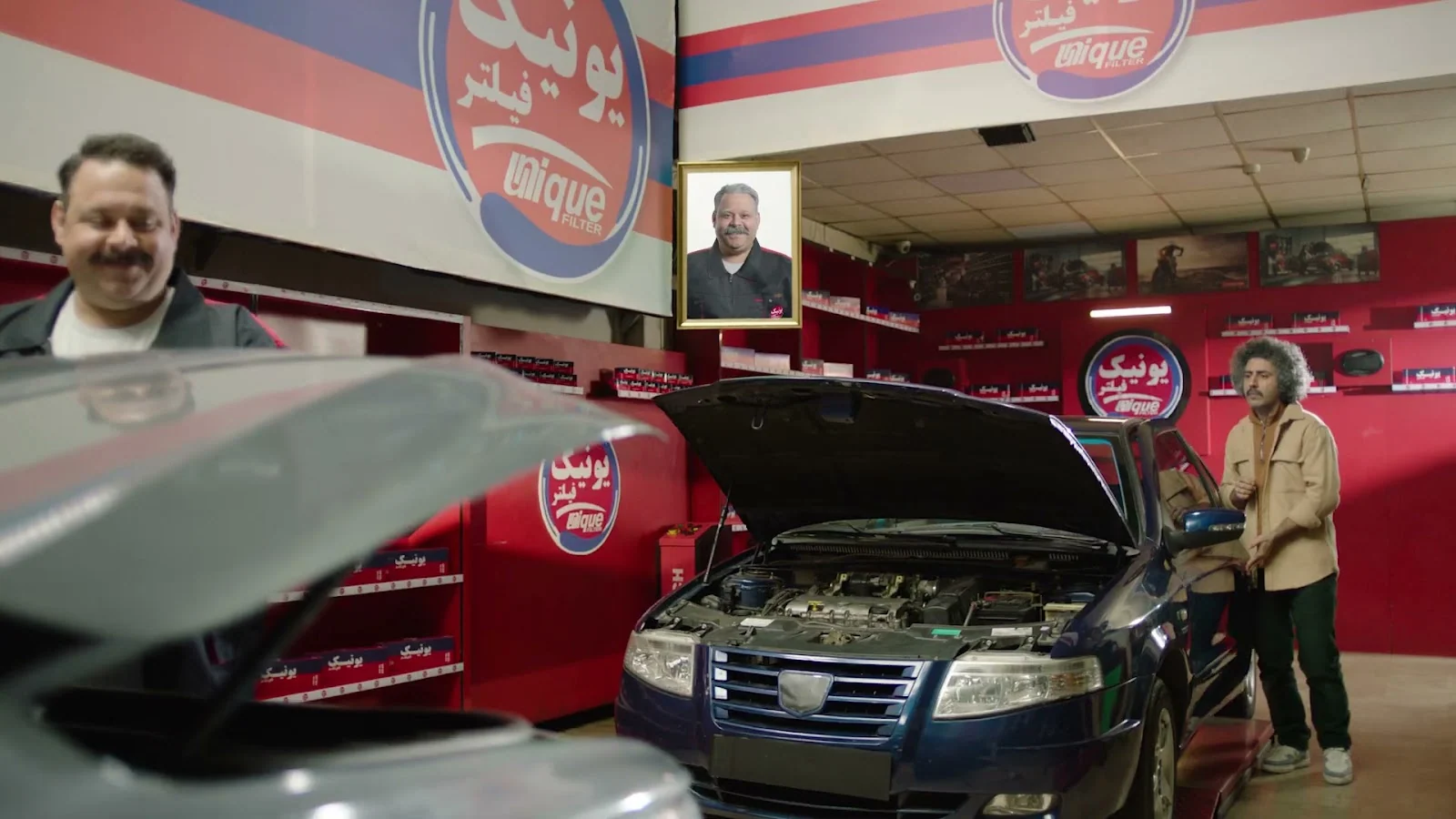
A successful commercial video begins before a camera arrives. Attractive images matter, but they cannot decide what your business needs to say, who should hear it or what viewers should do next. A clear plan connects the creative work to a useful business objective and gives everyone a shared basis for decisions.
For a business commissioning a video in Erbil, preparation also means agreeing languages, locations, decision-makers and delivery channels early. This guide explains what to bring to a production discussion, how to compare approaches and where to leave room for creative development. It is a planning framework, not a promise of campaign results or a fixed production schedule.
Define Your Business Objective
Choose one primary job for the video: introduce a business, explain a product, support a launch or encourage a specific inquiry. “Make us look professional” is a useful ambition, but it is not yet a brief. Describe the audience problem and the action you want to make easier.
Agree a clear call to action and where it leads. A sales presentation might invite a meeting; a website film might support a quotation request. Decide how you will judge usefulness after release, without assuming views alone represent qualified leads.
Understand Your Audience
Describe who will watch, what they already know and what they need to understand. A procurement team reviewing a supplier needs different information from someone discovering a product on a phone. Identify the objections or questions the film should address rather than trying to include every company message.
List the actual distribution channels and viewing context. Consider whether the video will play with sound, whether captions are needed and whether an existing website or presentation explains the next step. Avoid assumptions about local preferences; use your customer knowledge and available campaign evidence.
Prepare a Creative Brief
Keep the initial brief short enough to discuss. Include:
- The business objective and intended call to action.
- The audience, key message and facts that must be accurate.
- Preferred channels, approximate duration and required languages.
- Main deliverables, shorter edits and horizontal or vertical versions.
- A budget range, target launch date and approval contact.
- Available locations, products, brand assets and existing footage.
References help explain tone, pace or visual ambition. Say what you like about each reference; copying another film is not a strategy. Identify uncertainties so the production partner can propose options instead of guessing your priorities.
Choose the Right Video Format
A brand film introduces identity and perspective. It can establish a tone without explaining every product. A commercial advertisement focuses on a defined message or offer and usually needs a concise, explicit next step.
A corporate video can explain capabilities, a process or an organization to customers and partners. A real estate promotional film may combine a location, approved project information and architectural visuals; distinguish completed spaces from renders and proposed features.
Social media videos often require shorter openings and multiple cuts. Choose a format because it suits the task, not because a particular cinematic treatment looks impressive. One main film can support several outputs, but those outputs should be planned and quoted rather than assumed.
Consider Language and Localization
Choose Kurdish Sorani, Arabic, English or another language according to the audience and placement. Agree the written script, pronunciation of names, voice-over approach and subtitle language with the people who understand the intended audience.
Subtitles need time to be read and safe space in the frame. Right-to-left text and mixed-language brand names deserve a check in the actual export. A translated voice-over may have a different duration, so allow for adaptation rather than replacing words mechanically after editing is finished.
Organize Pre-Production
Approve the message and script before solving individual shots. A storyboard, shot list or visual treatment helps explain what will be captured and which scenes depend on access, weather, people or product availability.
Confirm location access, applicable permissions and participant arrangements before the shoot. Assign responsibility for preparing spaces, supplying products and approving on-camera information. Agree the crew and production scope with the supplier; do not infer equipment or staffing from a reference film.
Create a realistic schedule with review points and a named decision-maker. If several stakeholders must approve the work, gather their feedback into one response. Late changes to an agreed message can affect filming, editing and delivery.
Plan Filming for Multiple Platforms
Horizontal and vertical versions are not always interchangeable crops. Important people, products and graphics must fit the intended frame. Tell the team which placements matter before the shot list is finalized, especially if both a website film and vertical social edits are needed.
Agree durations, opening variations, captioned versions and clean versions where useful. Identify platform requirements at delivery time because specifications can change. Keep a clear list of files so “social media versions” does not become an undefined collection of extra work.
Understand Post-Production
Editing shapes the story and pacing from the available material. Color grading develops consistency and mood; sound editing, music and mixing help make the message clear. Graphics can explain information that pictures alone cannot communicate.
VFX and compositing may be appropriate when the concept calls for them. They should have an agreed purpose and scope. Discuss licensed music, supplied assets, review rounds, final exports and any required project-file handover before assuming these are included.
What Affects Commercial Video Cost?
Cost depends on creative development, shoot duration, locations, participants, production requirements, languages and the complexity of post-production. Deliverable counts, animation, music rights and revision scope can also change the quotation.
There is no useful universal price for an undefined film. Ask for a scope-based proposal showing inclusions, assumptions and optional items. If the budget is constrained, discuss which deliverables or production choices can change while protecting the core message. Do not compare quotations on price without comparing their scope.
How to Choose a Video Production Partner in Erbil
Review relevant work and ask what the supplier actually contributed. A polished showreel does not explain the role, constraints or deliverables behind each example. Look for clear communication about planning, responsibilities and review stages.
Ask how the partner would approach your objective, not just whether they can reproduce a reference. Compare proposals for creative scope, languages, filming arrangements, post-production, usage and delivery. Choose an approach you can understand and a process your organization can support.
Practical Video Production Checklist
- Confirm one objective, audience and call to action.
- Approve the brief, budget scope and decision-maker.
- Agree language versions, scripts and subtitle review.
- Confirm locations, access, people and products.
- Plan aspect ratios, cutdowns and required graphics.
- Schedule feedback, final checks and delivery.
- Check links, contact details and approved claims before release.
Frequently Asked Questions
How long does production take?
Timing depends on the concept, access, filming, post-production and approvals. Share your launch date early and ask for a staged schedule. A deadline is useful context, not confirmation that every proposed scope can fit it.
Can one shoot produce several formats?
Often it can, if framing and deliverables are planned beforehand. Ask which horizontal, vertical and shorter versions are included and whether any require additional shots or separate graphics.
Do we need a finished script?
You need an objective, accurate information and an approval contact. Creative development and scripting can be part of the agreed scope. Confirm responsibility for writing and approving the final script.
Can we add subtitles in several languages?
Yes, when translation, timing and review are included in the plan. Specify languages and whether you need embedded captions, subtitle files or separate exports. Arrange a qualified language check before approval.
What should we send for a quotation?
Send the objective, audience, references, target date, budget range, languages and delivery list. Include existing material and known access constraints. The clearer the brief, the more meaningful the comparison between proposals.
Discuss Your Video Project
Explore VIST’s video production services to see how planning, filming and finishing connect. The Yoonik portfolio entry is an example of supplied advertising-teaser work; it is not a claim about campaign outcomes. For property presentations, our guide to real-time 3D explains a different format that can complement a film.
Bring your questions and brief to the conversation. Discuss Your Video Project.